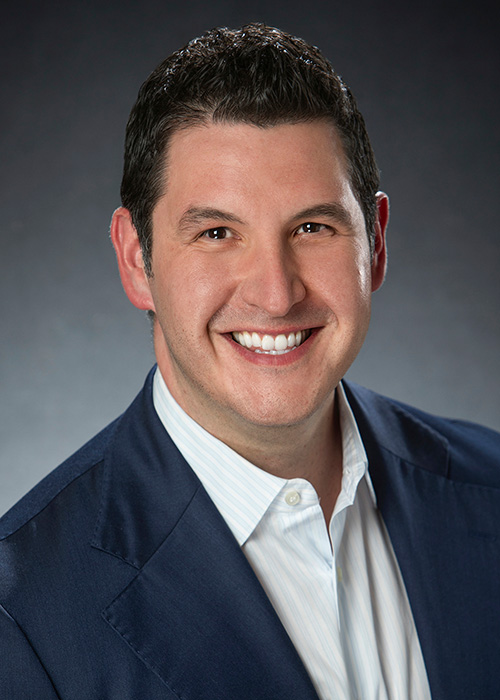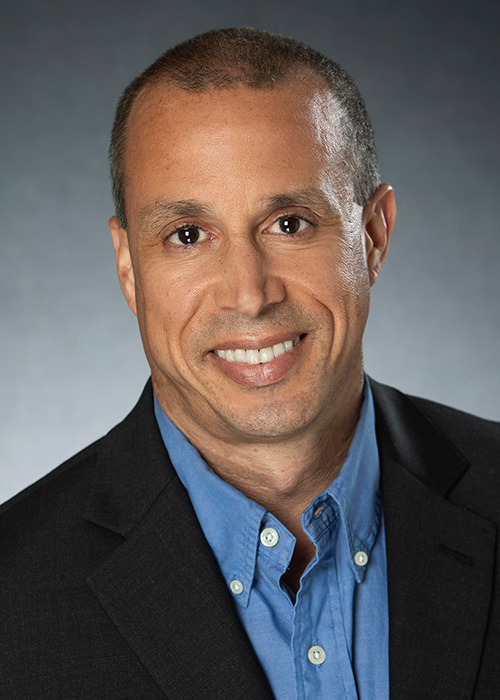
Prostate Biopsy Doctors in San Antonio
A prostate biopsy doctor is usually a urologist.
Urologists are experts who specialize in the urinary tract and male reproductive system. They perform biopsies because they are specifically trained to manage conditions involving the urinary tract and male reproductive organs. They also evaluate prostate health.
During a biopsy, a urologist removes small tissue samples from the prostate gland for examination under a microscope. This tissue analysis is the only way to confirm whether prostate cancer is present.
We have experienced prostate biopsy doctors in San Antonio at our convenient locations throughout the area.
What Does a Urologist Do During a Prostate Biopsy?
A urologist plays a role in every step of the biopsy process, from determining whether you need one to guiding you through the results.
Before the procedure, your doctor checks your PSA levels and physical exam results. They also look at any imaging to see if there are suspicious areas that need sampling.
During the biopsy, the urologist uses real-time guidance, typically with ultrasound or sometimes MRI. This allows them to target the areas of concern. The doctor carefully takes small tissue samples from various parts of the prostate. This helps ensure a thorough evaluation.
Once the biopsy is finished, the samples are sent to a pathologist. This is a specialist trained to examine cells under a microscope and look for any signs of prostate cancer or other abnormal changes. When the results come back, your urologist reviews them with you in detail, explains what they mean, and discusses next steps, such as:
- Continued monitoring
- Further testing
- Exploring prostate cancer treatment options depending on the findings
How Is a Prostate Biopsy Done?
There are several ways to collect tissue samples, and each technique has its own advantages. Your urologist will recommend the approach that best fits your situation.
Transrectal Ultrasound (TRUS) Guided Biopsy
TRUS has been the longstanding, standard approach used in most urology practices. During this procedure, a small ultrasound probe is placed gently into the rectum to provide real-time images of the prostate. After numbing the area, the urologist uses a thin needle. They pass it through the rectal wall to gather small tissue samples from various spots.
TRUS biopsy is widely available. It’s fast and lets the doctor efficiently sample many areas of the prostate. Usually, it’s done in the office with local anesthesia.
Transperineal Prostate Biopsy
A transperineal biopsy collects tissue through the skin between the scrotum and anus rather than through the rectum. Ultrasound guidance is still used. But instead of passing the needle through the rectal wall, the samples are taken through tiny openings in the skin.
Numbing medication keeps the procedure comfortable.
This method is becoming more common because it carries a significantly lower risk of infection. It also provides excellent access to areas of the prostate that can be harder to reach during a transrectal biopsy.
MRI-Targeted Biopsies
MRI imaging can show suspicious areas that might otherwise be missed. MRI-targeted biopsy techniques allow the urologist to sample areas with greater accuracy. This helps differentiate clinically significant cancer from slow-growing cancers that may never cause harm.
Fusion Biopsy: MRI- Ultrasound Fusion
Fusion biopsy combines the strengths of MRI and ultrasound imaging. First, you undergo a prostate MRI, which highlights areas that look concerning. During the biopsy, those MRI images are digitally fused with live ultrasound. The urologist sees both images together in real time, allowing the needle to be guided directly into the exact spot the MRI identified.
Fusion biopsy can be performed transrectally or transperineally. It allows precise sampling of tumors that traditional ultrasound alone might overlook. It’s among the biggest innovations in prostate cancer detection.
Fusion biopsy boosts the chances of spotting significant cancer. It also cuts down on unnecessary cores and lowers the risk of missing aggressive tumors. Urologists now combine MRI-targeted samples with traditional systematic cores. This approach allows for a more complete evaluation.
Systematic Prostate Biopsy
A systematic biopsy samples the prostate in a uniform, structured pattern. The urologist samples tissue from about 10 to 14 specific areas. This is done even if imaging does not show any clear abnormalities. By sampling the entire gland, a systematic biopsy helps ensure that small or hidden cancers are not missed. It is often performed alongside a targeted biopsy for the most complete assessment.
Choosing whether to move forward with a prostate biopsy is a major decision, and it’s important to feel fully informed at every step. A strong urology team makes sure you understand:
- Why a biopsy is being recommended
- What each technique involves
- How your PSA pattern, MRI findings, and personal risk factors shape the plan
They explain how the samples will be collected and provide clear answers to any questions. This helps most patients feel confident in their decision. No single approach works for every man.
For this reason, the best practices offer several different biopsy methods. Having multiple options means the procedure can be tailored to your anatomy and the specific areas of concern. This approach helps improve accuracy and reduces the need for repeat testing.
Where you choose to have your biopsy matters. Look for a practice that uses:
- Up-to-date imaging
- Follows strict safety measures
- Communicates openly
The right team can help you move forward feeling supported and informed.
Prostate Biopsy Doctors in San Antonio FAQs
1. How do I choose the right doctor for my biopsy?
Find a board-certified urologist. Choose one who does many biopsies, uses different techniques, and has modern imaging tools. Clear communication and willingness to answer your questions are also important.
2. Do different doctors use different biopsy techniques?
Yes. Some urologists offer a single primary approach, while others provide several options. Practices with MRI-fusion capability and both transrectal and transperineal techniques can tailor the biopsy to your anatomy.