
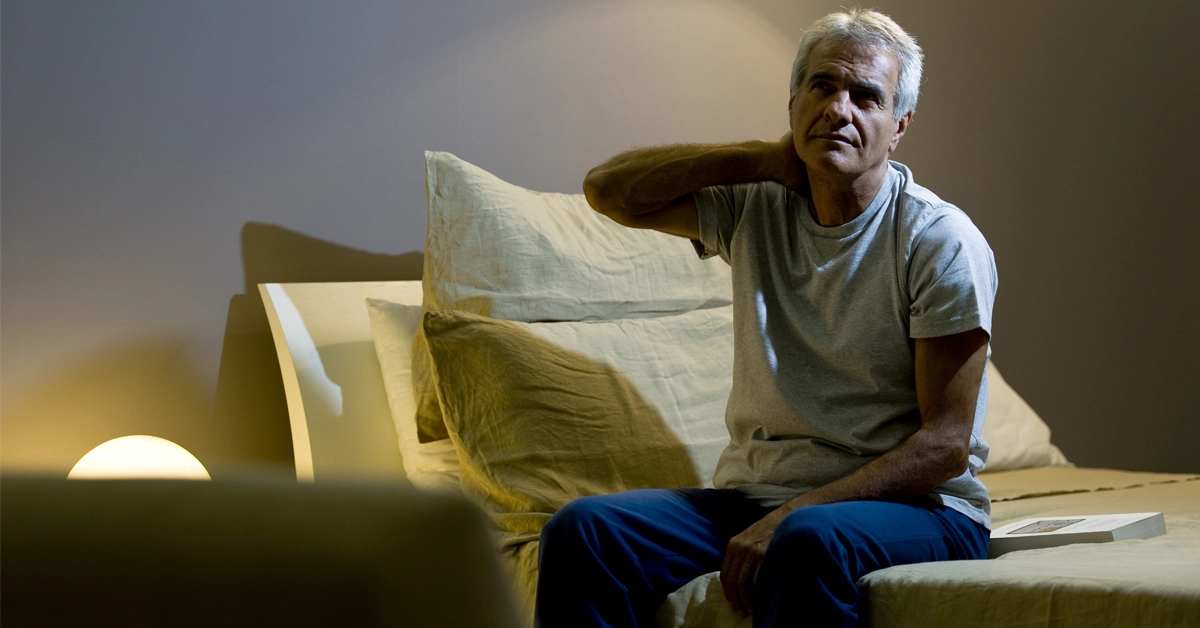
Waking up several times a night to use the bathroom can make it hard to get the restful sleep your body needs. If you’re wondering how to stop frequent urination at night, the first step is finding out what’s causing it.
Regularly waking more than once during the night to urinate is called nocturia. While it’s common, it isn’t something you have to accept as a normal part of getting older. In many cases, treating the underlying cause can reduce nighttime bathroom trips and help you sleep better.
What Causes Frequent Urination at Night?
Nighttime urination can happen for many reasons. Sometimes it’s as simple as drinking too much before bed. Other times, it’s caused by a medical condition that needs treatment.
Common causes include:
- Drinking large amounts of fluid in the evening
- Caffeine or alcohol
- Overactive bladder
- Urinary tract infection
- Enlarged prostate in men
- Incomplete bladder emptying
- Diabetes
- Leg swelling
- Sleep apnea
- Menopause-related urinary changes in women
- Medications that increase urine production
Some people also have nocturnal polyuria, which means the kidneys produce more urine at night than they should.
How Can You Stop Frequent Urination at Night?
A few simple changes may help reduce nighttime trips to the bathroom. If you’re wondering how to stop frequent urination at night, start with these six strategies:
Shift Your Fluid Intake Earlier
Try to drink most of your fluids during the morning and afternoon. That gives your body more time to process them before bedtime.
Limit Caffeine and Alcohol Later in the Day
Caffeine can irritate the bladder and make you feel like you need to urinate more often. It’s found in coffee, tea, cola, energy drinks, and even chocolate. Alcohol can also increase urine production and make it harder to stay asleep.
Reduce Evening Salt
Eating a salty dinner can cause your body to hold onto extra fluid. When you lie down, some of that fluid returns to your bloodstream and is filtered by your kidneys, which can lead to more urine overnight.
Empty Your Bladder Before Bed
Use the bathroom right before bed, even if you don’t feel a strong urge. If your bladder doesn’t seem to empty completely, try double voiding. Urinate, wait about a minute, then relax and try again.
Review Your Medications
Diuretics, often called water pills, help your body remove extra fluid. If you take one too late in the day, it may keep sending you to the bathroom overnight. Ask your doctor whether taking it earlier would be safe.
Treat Sleep Apnea
Sleep apnea doesn’t just affect your breathing. It can also increase nighttime urine production. Signs include loud snoring, gasping during sleep, morning headaches, and feeling very tired during the day. Treating sleep apnea may reduce nighttime bathroom trips.
How Can a Bladder Diary Help?
Keeping a bladder diary for a few days can help your doctor figure out what’s causing your symptoms. It can show whether you’re making a lot of urine overnight or simply urinating more often in small amounts.
Record:
- What and when you drink
- When you urinate
- About how much urine you produce
- When you go to bed and wake up
- Any urgency, leakage, or discomfort
- Caffeine and alcohol intake
- Medication timing
- Leg swelling
How Is Nocturia Diagnosed?
Because many different conditions can cause nocturia, your urologist will look for patterns in your symptoms before recommending treatment. They may also recommend a few tests to confirm what’s causing your symptoms.
Your evaluation may include:
- Urinalysis
- Blood glucose testing
- Measurement of urine left in the bladder after urinating
- A prostate or pelvic examination
- Other tests based on your symptoms and medical history
When Should I See a Doctor For Frequent Urination at Night?
Seek medical care right away if nighttime urination happens with:
- Fever or chills
- Blood in your urine
- Severe pelvic, side, or back pain
- Trouble urinating or being unable to urinate
- Extreme thirst
- Rapidly worsening leg swelling
- Shortness of breath
How to Stop Frequent Urination at Night in San Antonio
If frequent nighttime urination is disrupting your sleep, don’t ignore it. A urologist can determine what’s causing your symptoms and recommend treatment to help you get a full night’s rest again.
At Urology San Antonio, we diagnose and treat the conditions that commonly cause nocturia, including overactive bladder, enlarged prostate, urinary tract problems, and other bladder conditions. Contact our team today to schedule an appointment and learn how to stop frequent urination at night.