
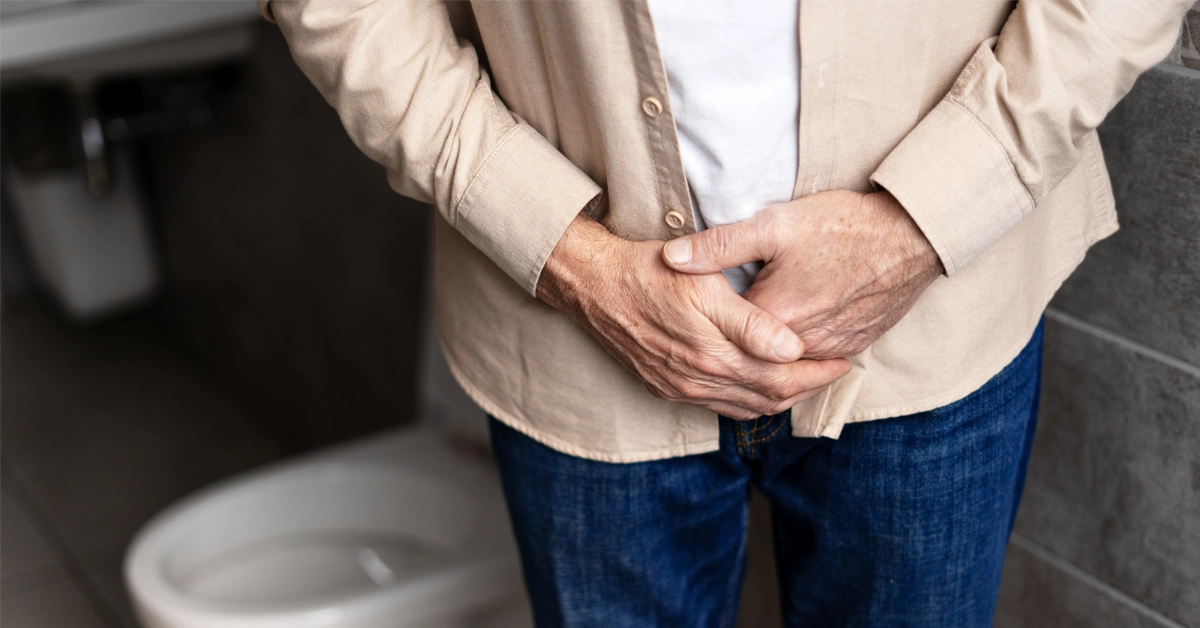
You stand at the toilet waiting for your urine stream to start, but it takes longer than it used to. Or maybe your stream has gotten weaker, and you have to push to empty your bladder.
Difficulty urinating can be frustrating, especially when you don’t know why it’s happening. Some causes are temporary, while others need treatment. Here’s what could be behind your symptoms.
What Causes Difficulty Urinating in Men and Women?
Several conditions can make it harder to empty your bladder.
A Blockage in the Urinary Tract
Bladder stones, blood clots, severe constipation, or a growth in the pelvis can block urine flow. Scar tissue can also narrow the urethra, the tube that carries urine out of your body. This is called a urethral stricture and may develop after an injury, infection, or urinary procedure.
Infection or Inflammation
A urinary tract infection (UTI) often causes burning, frequent urination and a sudden urge to pee. Sometimes, swelling or inflammation can also make passing urine difficult.
Medications
Some antihistamines, decongestants, antidepressants, bladder-control medications and opioid pain relievers can make it harder to urinate. Talk to your doctor before stopping any prescribed medication.
Nerve Problems
Your brain, spinal cord, and bladder work together to control urination. Diabetes and spinal cord disorders can interrupt these signals, making it harder to start urinating or empty your bladder completely.
A Weak Bladder Muscle
If your bladder muscle doesn’t squeeze strongly enough, urine may remain in your bladder after you go.
What Causes Difficulty Urinating in Men?
Two common prostate problems can affect urine flow.
An Enlarged Prostate
Benign prostatic hyperplasia (BPH) becomes more common with age. As the prostate grows, it can press against the urethra, causing:
- A weak or interrupted stream
- Trouble getting started
- Straining or dribbling
- A feeling that your bladder isn’t empty
Prostatitis
Inflammation of the prostate can cause pelvic pain, painful or frequent urination and trouble passing urine. Some men have pain with ejaculation. Acute bacterial prostatitis can also cause fever and chills and needs prompt treatment.
What Causes Difficulty Urinating in Women?
Changes in the pelvic organs and muscles can affect how well the bladder empties.
Pelvic Organ Prolapse
Pelvic organ prolapse happens when supporting tissues weaken, allowing organs such as the bladder or uterus to drop from their normal position. This may put pressure on the urethra and make urination difficult.
Pelvic Floor Dysfunction
Your pelvic floor muscles must relax when you pee. If they stay too tight or don’t relax at the right time, you may struggle to start or maintain a stream. Childbirth and pelvic surgery can contribute.
How Does a Urologist Diagnose Difficulty Urinating?
Your urologist will review your symptoms, medications, and medical history. They may order a urine test to check for infection, a bladder scan to see whether urine remains after you go, or a test to measure your urine flow.
When Should You See a Urologist?
Schedule an appointment if you regularly struggle to start urinating, strain to pee or feel like your bladder isn’t empty.
Seek medical care immediately if you have chills, a fever, visible blood in your urine or significant back or pelvic pain.
GO TO THE EMERGENCY RIGHT AWAY IF:
- You suddenly can’t urinate at all, especially if your lower belly hurts or feels swollen.
- You develop new leg weakness or numbness around your groin, especially with changes in bladder or bowel control.
Get Help for Difficulty Urinating in San Antonio
You shouldn’t have to strain every time you use the bathroom or wonder why your bladder never feels empty. Finding the cause of difficulty urinating is the first step toward relief.
At Urology San Antonio, our urologists diagnose and treat urinary problems in men and women. Schedule an appointment with our team to find out what’s causing your symptoms.