
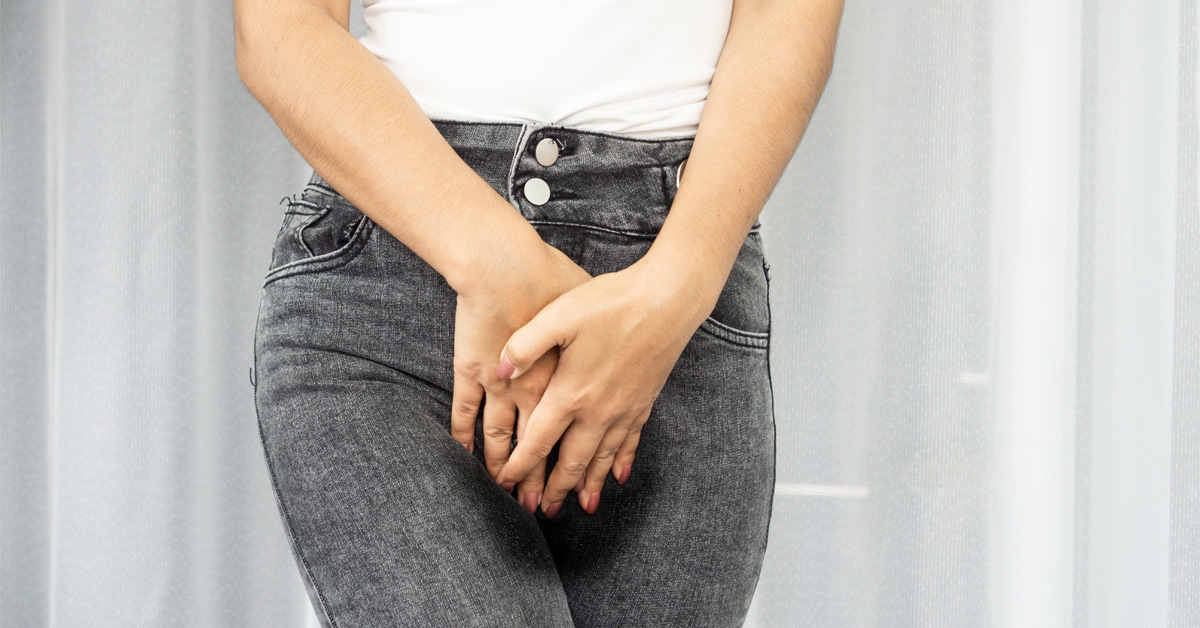
You’re laughing with friends or sneezing, and suddenly you leak a little pee. Maybe you’ve started wearing pads just in case. Now you’re wondering if this is something you’ll have to deal with for the rest of your life.
Bladder leakage in women is common, especially after childbirth and menopause. But that doesn’t mean you have to live with it. Understanding what’s causing your leaks is the first step toward finding a treatment that works for you.
What Are the Different Types of Bladder Leakage?
Bladder leakage, also called urinary incontinence, doesn’t look the same for everyone. Some women leak when they laugh or exercise. Others feel a sudden urge to pee and can’t reach the bathroom in time.
The main types include:
- Stress incontinence: Pressure on your bladder from coughing, sneezing, laughing, lifting, or exercising causes urine to leak.
- Urge incontinence: You suddenly need to pee and may leak before reaching the bathroom. This often happens with an overactive bladder.
- Mixed incontinence: You experience both stress and urge incontinence.
- Overflow incontinence: Your bladder doesn’t empty completely, which can cause frequent dribbling.
- Functional incontinence: A physical or mental condition makes it difficult to reach the bathroom in time.
Knowing which type you have matters because different types of leakage need different treatments.
What Causes Bladder Leakage in Women?
Muscles and nerves work together to control when you pee. If those muscles get weak or the nerves don’t send the right signals, you may start leaking urine.
Several factors can contribute to bladder leakage in women:
- Pregnancy and childbirth: Pregnancy puts extra pressure on your bladder. Vaginal delivery can also stretch or weaken the muscles and tissues that support it.
- Menopause: Lower estrogen levels can cause changes in the tissues around your bladder and urethra, making leakage more likely.
- Weak pelvic floor muscles: These muscles support your bladder and help control urine flow. When they weaken, you may leak during everyday activities.
- Pelvic organ prolapse: When the muscles and tissues that support your pelvic organs weaken, your bladder or uterus can drop lower than normal. This can sometimes cause bladder leakage or trouble emptying your bladder.
- Urinary tract infections (UTIs): An infection can irritate your bladder and cause urgency or temporary leakage.
- Constipation: A full rectum can put pressure on your bladder and make symptoms worse.
- Excess weight: Extra weight increases pressure on your bladder and pelvic floor.
Certain medications, diabetes, and neurological conditions can also affect bladder control. Sometimes, more than one factor is involved.
How Is Bladder Leakage in Women Treated?
The good news is that you have options. Treatment depends on what’s causing your leakage, how often it happens, and how much it affects your life.
Lifestyle Changes and Pelvic Floor Therapy
For some women, small changes can make a noticeable difference. Your doctor may recommend:
- Limiting caffeine, alcohol, and other drinks that irritate your bladder.
- Eating more fiber to prevent constipation.
- Losing excess weight to reduce pressure on your bladder.
- Trying bladder training to gradually increase the time between bathroom trips.
- Working with a pelvic floor physical therapist to improve muscle strength and control.
Kegel exercises can strengthen weak pelvic floor muscles, but they aren’t right for everyone. Some women have muscles that are too tight and need help relaxing them instead.
Medical Treatments for Bladder Leakage
If lifestyle changes aren’t enough, your urologist may recommend other treatments, including:
- Medications: Certain drugs can relax an overactive bladder and reduce sudden urges to pee.
- Vaginal estrogen: For some women after menopause, topical estrogen can improve tissue health and certain urinary symptoms.
- Pessaries: These small devices fit inside the vagina to support the urethra and reduce stress leakage.
- Botox injections: Botox can relax an overactive bladder muscle and reduce unwanted contractions.
- Nerve stimulation: Treatments such as PTNS and sacral neuromodulation use gentle electrical signals to improve bladder control.
- Procedures or surgery: Urethral bulking injections and sling procedures can help women with stress incontinence.
Your urologist will explain which treatments fit your symptoms and goals.
When Should You See a Urologist for Bladder Leakage?
If you’re avoiding exercise, skipping social events, or constantly checking where the nearest bathroom is, it’s time to talk to a doctor.
You should also get checked if leakage starts suddenly, keeps getting worse, or comes with pain, blood in your urine, or trouble emptying your bladder.
A urologist can review your symptoms, check for possible causes, and recommend treatment. You don’t have to wait until leakage becomes severe to ask for help.
Get Help for Bladder Leakage in Women in San Antonio
Bladder leakage can make everyday activities stressful, but treatment can make a difference. You may have more options than you realize.
Urology San Antonio’s Women’s Pelvic Health Program offers care for bladder leakage in women, including pelvic floor therapy, medications, and advanced treatments.
Schedule an appointment with Urology San Antonio to find out what’s causing your bladder leakage and explore your treatment options.